
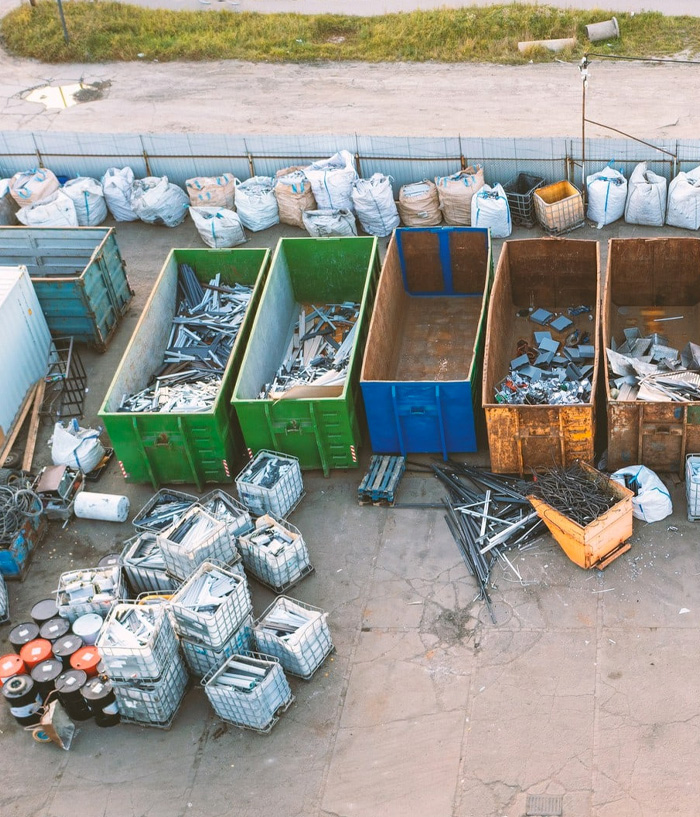
As we move through 2026, Dubai’s skyline isn’t the only thing reaching new heights, our sustainability goals are too. Gone are the days when waste management simply meant “out of sight, out of mind.” Today, Dubai is rapidly transitioning from traditional landfill reliance to a sophisticated, tech-driven circular economy. Salamul Ansar is loved my many organization across Dubai for its efficiency in cleaning any kind of general waste.
For residents and businesses UAE, staying informed about these shifts isn’t just about compliance; it’s about being part of a cleaner, smarter urban future.
The Death of the Landfill: Target 2041
The Dubai Integrated Waste Management Strategy 2021-2041 is no longer a distant plan, it is a live operation. By 2041, Dubai aims for 100% waste diversion from landfills.
As of early 2026, major landfills in Warsan and Jebel Ali have already begun the closure process. In their place, the city is scaling up the Warsan Waste-to-Energy Centre, which currently processes nearly 2 million tonnes of waste annually, converting it into enough electricity to power 135,000 homes.
2026: The Year of the Single-Use Plastic Ban
If you’ve noticed fewer plastic forks and lids in your takeaway orders this year, there’s a reason. January 1, 2026, marked the final phase of Dubai’s comprehensive ban on single-use plastics. This now includes:
- Plastic plates and cutlery.
- Beverage cups and lids.
- Tableware and food containers.
This shift is a cornerstone of the UAE’s broader circular economy goals, encouraging businesses to switch to biodegradable or multi-use alternatives.
Smart Cities, Smarter Bins
The future of waste in Dubai is “phygital” a blend of physical infrastructure and digital intelligence. Through the recently launched Circle Dubai initiative, the city is deploying:
- IoT-Enabled Sensors: “Smart bins” that notify collection teams only when they are full, reducing truck emissions and traffic congestion.
- AI Sorting Lines: Material recovery facilities (MRFs) now use computer vision to identify and separate recyclables at speeds human hands can’t match.
- RASID Satellite Tracking: A 24/7 monitoring system for waste vehicles to ensure every gram of waste reaches the correct treatment facility.
What This Means for Your Business
As Dubai tightens regulations on waste segregation at the source, businesses must adapt. The focus is moving toward Source Segregation, ensuring that recyclables, organics, and general waste never mix in the first place. This not only helps the environment but also reduces “tipping fees” and disposal costs for commercial entities.
The future isn’t just about managing waste; it’s about realizing that “waste” is actually a misplaced resource. Whether it’s turning food scraps into compost for Dubai’s parks or converting non-recyclables into grid power, we are building a city that leaves nothing behind.
For professional guidance on navigating these new 2026 regulations on general waste management or to upgrade your facility’s waste collection system, we are here to help.
For the best prices and a free quote on general waste solutions, contact Salamul Ansar Dubai today.
