
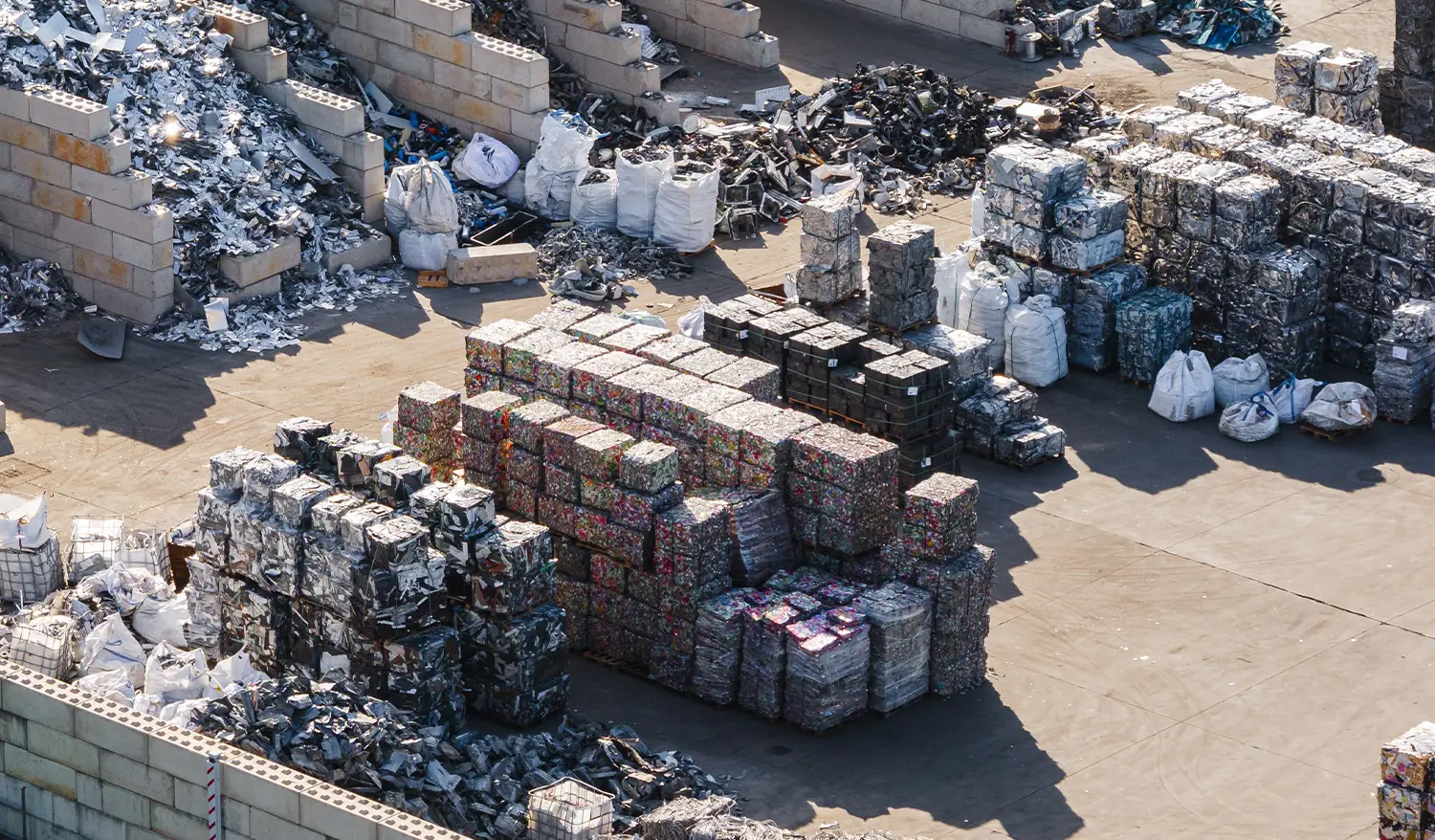
Dubai is one of the fastest-growing cities in the world, with continuous expansion across residential communities, commercial buildings, hospitality, construction, healthcare, and industrial sectors. With this growth comes an increasing responsibility to manage waste efficiently, safely, and sustainably.
Professional waste management in Dubai is no longer only about collecting and disposing of waste. Modern waste solutions focus on recycling, resource recovery, environmental protection, regulatory compliance, and reducing the impact of waste on communities.
Businesses, property developers, facilities managers, hospitals, restaurants, and industrial organisations require reliable waste management partners who understand UAE regulations and can provide efficient solutions tailored to their specific requirements.
This comprehensive guide explains everything you need to know about waste management services in Dubai, including different waste types, collection processes, recycling solutions, regulations, sustainability trends, and how to select the right waste management company.
Table of Contents
- What Is Waste Management?
- Why Waste Management Is Important in Dubai
- Types of Waste Management Services in Dubai
- Commercial Waste Management Solutions
- Industrial Waste Management
- Waste Recycling and Sustainability
- How Professional Waste Management Works
- How to Choose a Waste Management Company in Dubai
- Future of Waste Management in UAE
- Frequently Asked Questions
What Is Waste Management?
Waste management refers to the complete process of collecting, transporting, sorting, treating, recycling, and safely disposing of waste materials generated by homes, businesses, industries, and public facilities.
A professional waste management system ensures waste is handled responsibly while reducing environmental impact and supporting sustainability goals.
Modern waste management includes several important activities:
- Waste collection and transportation
- Waste segregation and sorting
- Recycling and material recovery
- Organic waste treatment
- Hazardous waste handling
- Safe disposal methods
- Environmental reporting and compliance
Unlike traditional waste disposal methods, modern waste management focuses on recovering value from waste wherever possible. Materials such as paper, cardboard, plastics, metals, glass, and organic waste can often be recycled or processed instead of being sent directly to landfill.
Why Waste Management Is Important in Dubai
Dubai’s rapid economic development has created demand for efficient waste management systems across almost every sector. From luxury residential communities and hotels to construction projects and industrial facilities, responsible waste handling plays an important role in maintaining a clean and sustainable environment.
The UAE has introduced ambitious sustainability initiatives focused on reducing landfill dependency, increasing recycling rates, and encouraging circular economy practices.
Key reasons professional waste management is essential:
| Reason | Importance |
|---|---|
| Environmental Protection | Reduces pollution, protects natural resources, and minimises landfill impact. |
| Regulatory Compliance | Helps businesses follow UAE waste handling and environmental requirements. |
| Cost Efficiency | Optimised waste processes can reduce unnecessary disposal costs. |
| Corporate Sustainability | Supports ESG goals and demonstrates environmental responsibility. |
| Health and Safety | Proper disposal reduces risks associated with hazardous and contaminated waste. |
Waste Management Dubai Market Overview
Dubai generates significant amounts of municipal, commercial, construction, and industrial waste every year. Managing this waste efficiently requires advanced infrastructure, experienced teams, modern equipment, and environmentally responsible processes.
Professional waste management companies in Dubai support a wide range of industries including:
- Residential communities
- Hotels and hospitality businesses
- Restaurants and food outlets
- Retail centres
- Offices and commercial buildings
- Construction companies
- Healthcare facilities
- Manufacturing and industrial facilities
- Schools and universities
Need reliable waste management services in Dubai?
Speak with SAWM specialists for a customised waste solution.
Types of Waste Management Services in Dubai
Different industries produce different types of waste. A reliable waste management provider should offer customised solutions based on waste volume, waste category, safety requirements, and regulatory obligations.
1. General Waste Management
General waste includes everyday non-hazardous waste generated from offices, residential buildings, commercial properties, and public spaces.
Typical examples include:
- Paper waste
- Packaging materials
- Food packaging
- Non-recyclable household waste
- General office waste
SAWM provides professional general waste management services in UAE designed to support businesses with reliable collection, transportation, and responsible disposal solutions.
2. Commercial Waste Management
Commercial businesses generate different waste streams depending on their operations. Offices, hotels, restaurants, and retail outlets require scheduled waste collection services to maintain hygiene standards and operational efficiency.
Commercial waste management solutions typically include:
- Scheduled waste collection
- Waste container supply
- Recycling programmes
- Waste audits
- Reporting and compliance support
3. Construction Waste Management
Dubai’s construction sector continues to expand with residential developments, infrastructure projects, and commercial buildings. Construction waste management helps contractors handle materials such as concrete, wood, metals, soil, and demolition debris responsibly.
Effective construction waste management can help companies:
- Reduce disposal costs
- Improve site safety
- Increase recycling rates
- Meet environmental requirements
- Improve project sustainability performance
4. Medical Waste Management
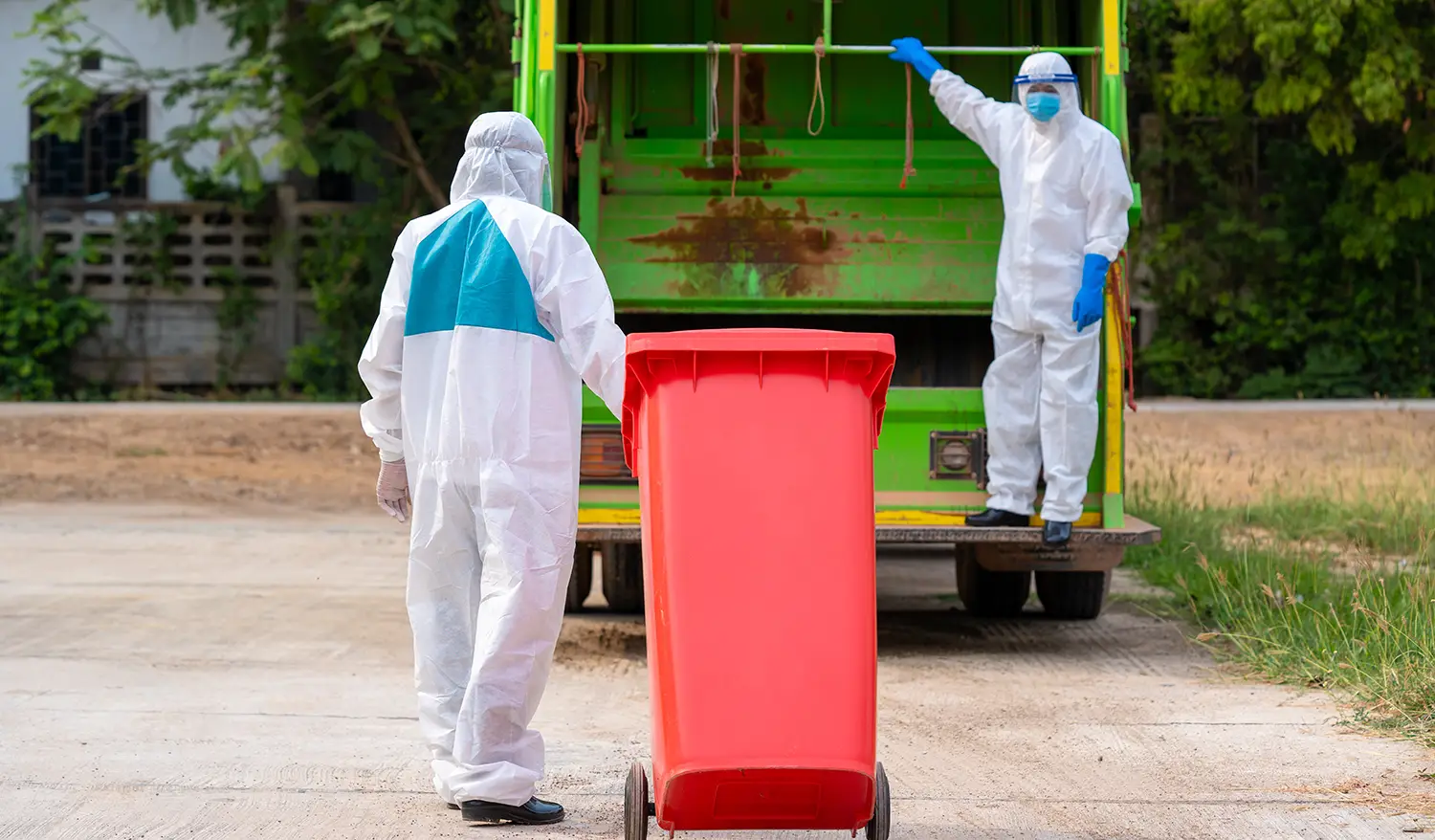
Healthcare facilities generate specialised waste requiring careful handling due to potential health risks. Medical waste must be collected, transported, treated, and disposed of according to strict safety procedures.
SAWM offers dedicated medical waste management solutions for healthcare facilities requiring safe and compliant waste disposal.
5. Hazardous Waste Management
Hazardous waste requires specialist handling because it may contain chemicals, contaminated materials, batteries, oils, or substances harmful to people and the environment.
Professional hazardous waste management includes:
- Safe collection procedures
- Specialised storage
- Licensed transportation
- Approved treatment methods
- Compliance documentation
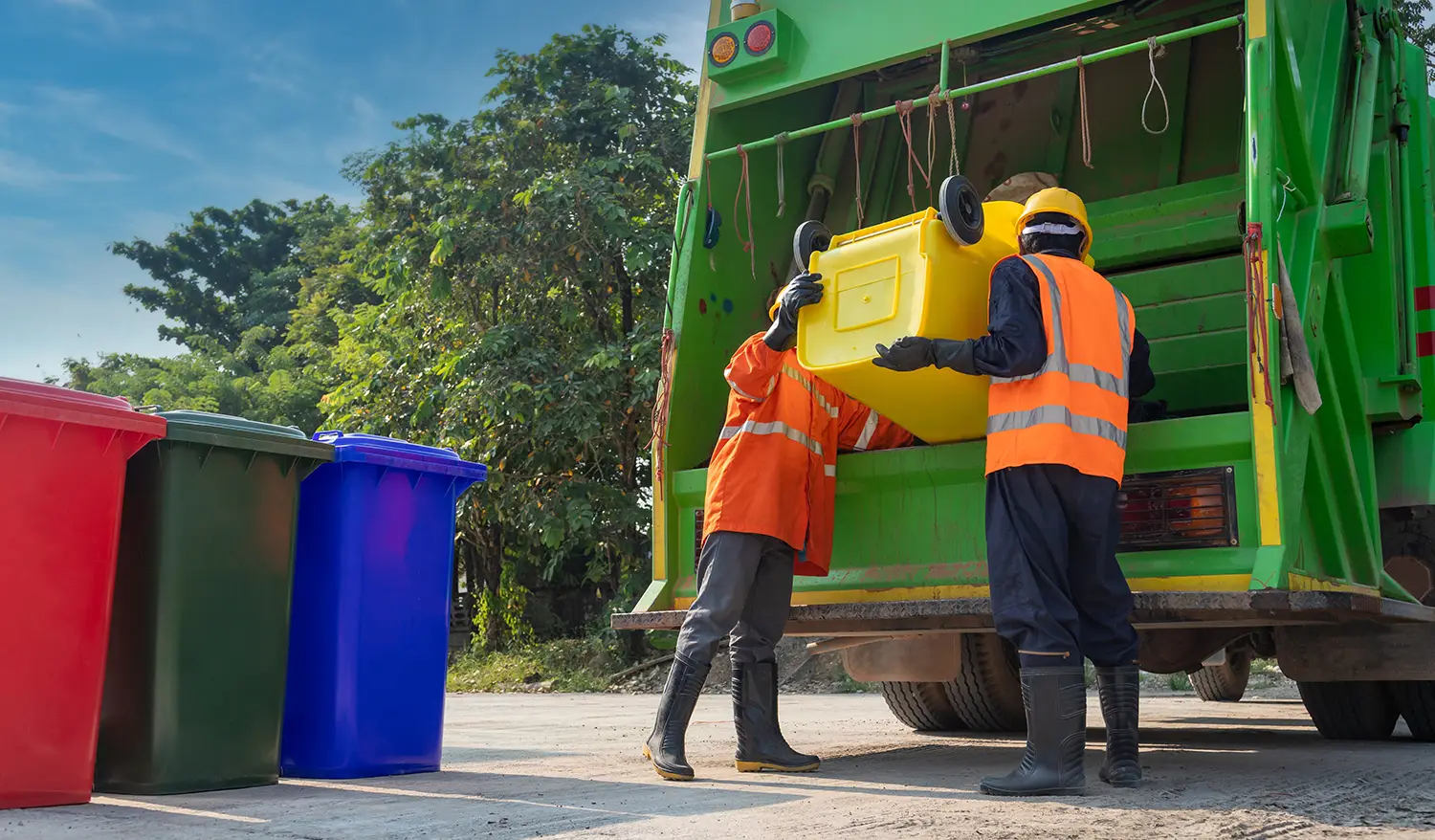 Commercial Waste Management Solutions in Dubai
Businesses across Dubai require waste solutions that are reliable, scalable, and aligned with their operational needs. Poor waste management can affect workplace hygiene, brand reputation, employee safety, and regulatory compliance.
A professional commercial waste management partner helps businesses create structured waste handling systems while improving recycling and sustainability performance.
Industries that benefit from commercial waste management:
- Corporate offices
- Hotels and resorts
- Shopping malls
- Restaurants
- Schools
- Healthcare organisations
- Warehouses
- Factories
The right waste management solution should be customised according to waste type, frequency of collection, storage requirements, and sustainability objectives.
How Professional Waste Management Works in Dubai
A reliable waste management system follows a structured process to ensure waste is collected safely, transported efficiently, processed correctly, and disposed of responsibly. Professional waste management companies use planned systems that reduce environmental impact while helping businesses maintain compliance.
Step 1: Waste Assessment and Planning
The first stage is understanding the type and volume of waste generated by a business or facility. A professional waste management provider evaluates waste sources, collection frequency, storage requirements, and recycling opportunities.
A waste assessment helps identify:
- The types of waste generated
- Daily or weekly waste volumes
- Suitable collection schedules
- Required waste containers
- Opportunities for recycling and waste reduction
Step 2: Waste Segregation
Waste segregation is one of the most important steps in effective waste management. Separating different waste streams improves recycling efficiency and prevents recyclable materials from becoming contaminated.
| Waste Category | Examples | Recommended Handling |
|---|---|---|
| General Waste | Mixed non-recyclable waste | Collection and responsible disposal |
| Recyclable Waste | Paper, cardboard, plastics, metals, glass | Sorting and material recovery |
| Organic Waste | Food scraps and biodegradable materials | Composting or specialised treatment |
| Hazardous Waste | Chemicals, contaminated materials | Specialised treatment and disposal |
Step 3: Collection and Transportation
After segregation, waste is collected using suitable vehicles and equipment. Professional waste collection services follow scheduled routes to ensure timely removal while maintaining hygiene and safety standards.
Efficient waste transportation requires:
- Trained handling teams
- Suitable collection vehicles
- Safety procedures
- Documentation and tracking
- Compliance with local requirements
Step 4: Recycling and Treatment
Where possible, waste materials are processed through recycling and recovery systems. Recycling reduces dependency on raw materials, conserves resources, and supports Dubai’s sustainability goals.
Common recyclable materials include:
- Cardboard and paper
- Plastic materials
- Aluminium and metals
- Glass
- Electronic waste
Step 5: Final Disposal
Waste that cannot be recycled or recovered is sent for appropriate disposal using approved methods. Professional waste management companies ensure disposal follows environmental standards and safety requirements.
Waste Recycling and Sustainability in Dubai
Sustainability has become a major priority for organisations across the UAE. Businesses are increasingly looking for waste management partners who can support recycling initiatives, reduce landfill dependency, and improve environmental performance.
Effective recycling is not only beneficial for the environment. It can also improve operational efficiency and strengthen a company’s sustainability reputation.
Benefits of Waste Recycling
| Benefit | Impact |
|---|---|
| Reduced Landfill Waste | Less waste sent to disposal facilities. |
| Resource Conservation | Materials are recovered and reused. |
| Lower Environmental Impact | Reduces pollution and carbon emissions. |
| Improved ESG Performance | Supports sustainability reporting and corporate responsibility. |
| Better Brand Image | Shows customers and stakeholders commitment to sustainability. |
Waste Management Solutions for Different Industries in Dubai
Every industry produces different waste streams and requires customised waste management solutions. A professional provider should understand industry-specific challenges and provide services designed around operational requirements.
Waste Management for Hotels and Hospitality
Dubai’s hospitality industry generates significant volumes of food waste, packaging materials, glass, and general waste. Hotels require reliable waste collection systems that maintain cleanliness while supporting sustainability objectives.
Effective hospitality waste management includes:
- Food waste reduction programmes
- Recycling initiatives
- Kitchen waste handling
- Glass recycling
- Scheduled collection services
Waste Management for Restaurants and Food Businesses
Restaurants need specialised waste solutions because they generate high volumes of organic waste, packaging, cooking oils, and general waste.
A structured waste management system helps restaurants:
- Maintain hygiene standards
- Reduce waste-related issues
- Improve recycling performance
- Meet local requirements
Waste Management for Construction Companies
Construction projects generate large quantities of waste materials. Without proper planning, construction waste can increase project costs and negatively affect environmental performance.
Construction waste management focuses on:
- Material recovery
- Site cleanliness
- Waste segregation
- Responsible disposal
- Environmental compliance
Waste Management for Healthcare Facilities
Hospitals, clinics, laboratories, and medical centres require specialised waste handling due to the risks associated with contaminated and hazardous materials.
Medical waste services should include safe collection, transportation, treatment, and disposal procedures.
 How to Choose the Right Waste Management Company in Dubai
Choosing the right waste management partner is important for businesses that want reliable service, regulatory compliance, and long-term sustainability benefits.
Before selecting a provider, consider the following factors:
1. Experience and Industry Expertise
A company with experience across multiple sectors can provide better solutions because they understand different waste challenges and compliance requirements.
2. Range of Services
Look for a provider that offers comprehensive solutions including general waste, commercial waste, recycling, medical waste, and specialised waste services.
SAWM provides a range of waste management services in UAE designed for businesses across different industries.
3. Compliance and Safety Standards
Waste management involves environmental and safety responsibilities. Businesses should work with providers that follow approved handling procedures and maintain proper documentation.
4. Recycling Capabilities
A modern waste management company should focus beyond disposal and provide opportunities for recycling, recovery, and sustainability improvement.
5. Reliable Customer Support
Consistent collection schedules, responsive communication, and professional support are essential for maintaining effective waste operations.
Waste Management Dubai: Cost Factors to Consider
The cost of waste management services in Dubai depends on several factors. Businesses should focus on value and reliability rather than choosing only the lowest-priced option.
| Factor | Impact on Cost |
|---|---|
| Waste Volume | Larger waste volumes require more frequent collection and resources. |
| Waste Type | Specialised waste requires additional handling procedures. |
| Collection Frequency | Daily or frequent collection affects service requirements. |
| Location | Accessibility and distance can influence logistics. |
| Recycling Requirements | Sorting and recovery programmes may affect pricing. |
Why Businesses in Dubai Should Invest in Professional Waste Management
Poor waste management can create operational challenges, increase environmental risks, and affect business reputation. Professional waste management provides businesses with a structured approach to handling waste responsibly.
- Improves workplace hygiene
- Supports environmental goals
- Reduces compliance risks
- Creates recycling opportunities
- Improves operational efficiency
- Strengthens sustainability reputation
Dubai Waste Management Regulations and Sustainability Initiatives
Waste management in Dubai operates within a structured environmental framework designed to improve waste reduction, recycling, and responsible disposal. Businesses operating in Dubai have a responsibility to manage their waste according to applicable environmental and safety requirements.
Professional waste management companies help organisations understand their responsibilities by providing compliant collection, transportation, treatment, and disposal solutions.
Key Areas of Waste Management Compliance
- Proper waste segregation and storage
- Safe handling and transportation of waste
- Responsible disposal methods
- Maintaining required documentation
- Following environmental protection guidelines
For businesses, working with an experienced waste management provider reduces compliance risks while ensuring waste is handled professionally from collection to final disposal.
How Dubai Is Moving Towards a Circular Economy
Traditional waste disposal focuses mainly on removing waste. Modern waste management focuses on recovering value from materials and keeping resources in use for as long as possible.
This approach is known as the circular economy, where waste materials are viewed as resources rather than unwanted products.
Circular Economy Practices in Waste Management Include:
- Increasing recycling rates
- Reducing unnecessary waste generation
- Recovering valuable materials
- Reusing products wherever possible
- Improving resource efficiency
Businesses that adopt sustainable waste practices can improve their environmental performance while supporting wider UAE sustainability goals.
Future Trends in Waste Management Dubai
The future of waste management in Dubai will be shaped by technology, automation, sustainability, and smarter resource management. As businesses generate more data and demand greater transparency, waste management systems are becoming more intelligent and efficient.
1. Smart Waste Management Systems
Smart waste solutions use technology such as sensors, data analytics, and automated monitoring to improve collection efficiency.
Smart systems can help organisations:
- Monitor waste levels
- Optimise collection schedules
- Reduce unnecessary collection trips
- Improve operational efficiency
2. AI and Data-Driven Waste Management
Artificial intelligence is increasingly being used to analyse waste patterns, improve sorting processes, and identify opportunities for better recycling performance.
AI-powered waste management can support:
- Automated waste classification
- Predictive collection planning
- Improved recycling accuracy
- Operational reporting
3. Increased Focus on Recycling
Businesses are expected to place greater emphasis on recycling and waste reduction. Organisations that improve their recycling processes can reduce environmental impact while strengthening their sustainability credentials.
4. Sustainable Business Practices
Environmental responsibility is becoming an important factor in business decisions. Companies are increasingly selecting partners who can support ESG objectives and demonstrate responsible operations.
Common Waste Management Mistakes Businesses Should Avoid
Many businesses experience unnecessary costs and operational problems because of poor waste management planning. Avoiding common mistakes can significantly improve efficiency.
| Mistake | Better Approach |
|---|---|
| Mixing recyclable and general waste | Introduce proper waste segregation systems. |
| Choosing a provider only based on price | Consider reliability, compliance, and service quality. |
| No waste assessment | Understand waste types and volumes before selecting services. |
| Ignoring sustainability opportunities | Create recycling and waste reduction programmes. |
| Irregular waste collection planning | Use scheduled collection based on operational needs. |
Best Waste Management Solutions in Dubai for Different Business Needs
The best waste management solution depends on the organisation’s size, industry, waste type, and sustainability goals. There is no single solution suitable for every business.
Best Waste Management Solution for Offices
Offices typically require reliable collection for paper waste, packaging materials, food waste, and general office waste. Recycling programmes can help reduce environmental impact and improve workplace sustainability.
Best Waste Management Solution for Restaurants
Restaurants benefit from waste solutions focused on food waste management, packaging disposal, grease handling, and frequent collection schedules.
Best Waste Management Solution for Construction Projects
Construction companies require scalable solutions capable of handling large volumes of debris, concrete, metals, and mixed construction materials.
Best Waste Management Solution for Healthcare Facilities
Healthcare organisations require specialised waste management systems designed around safety, compliance, and responsible medical waste disposal.
Why Choose SAWM for Waste Management Services in UAE?
Selecting the right waste management partner is essential for maintaining efficient operations, improving sustainability performance, and ensuring responsible waste handling.
SAWM provides professional waste management solutions designed to support businesses across different industries in the UAE.
The company focuses on reliable service delivery, responsible waste handling, and customised solutions based on individual business requirements.
Benefits of Working with SAWM Include:
- Comprehensive waste management solutions
- Industry-focused services
- Professional collection and disposal processes
- Support for recycling initiatives
- Reliable operational support
- Solutions designed for UAE businesses
Explore SAWM’s complete range of waste management services to find the right solution for your organisation.
Waste Management Checklist for Dubai Businesses
Before selecting a waste management provider, businesses can use this checklist to evaluate their requirements.
| Question | Why It Matters |
|---|---|
| What type of waste does your business generate? | Determines the correct handling and disposal method. |
| How much waste is produced daily or weekly? | Helps determine collection frequency. |
| Are recycling opportunities available? | Improves sustainability performance. |
| Does the provider understand your industry? | Ensures better service quality. |
| Can they provide reliable reporting? | Supports compliance and sustainability tracking. |
Frequently Asked Questions About Waste Management Dubai
Below are answers to common questions businesses and residents search for when looking for waste management solutions in Dubai.
1. What is waste management?
Waste management is the process of collecting, transporting, sorting, recycling, treating, and disposing of waste materials in a safe and environmentally responsible way. Professional waste management helps businesses and communities reduce environmental impact while maintaining hygiene, safety, and compliance.
2. Why is waste management important in Dubai?
Waste management is important in Dubai because of rapid urban growth, increasing commercial activity, and the need to protect the environment. Effective waste solutions help reduce landfill waste, improve recycling rates, support sustainability goals, and ensure businesses comply with environmental requirements.
3. What types of waste management services are available in Dubai?
Waste management companies in Dubai provide solutions for various waste categories, including general waste, commercial waste, construction waste, medical waste, hazardous waste, recyclable materials, and industrial waste.
4. How much does waste management cost in Dubai?
The cost of waste management services in Dubai depends on factors such as waste volume, waste type, collection frequency, location, recycling requirements, and disposal methods. Businesses should request a customised assessment because requirements vary significantly between industries.
5. How can businesses reduce waste disposal costs?
Businesses can reduce waste costs by improving waste segregation, increasing recycling, reducing unnecessary waste generation, choosing appropriate collection schedules, and working with an experienced waste management provider.
6. What is commercial waste management?
Commercial waste management refers to waste collection, handling, recycling, and disposal services designed specifically for businesses such as offices, hotels, restaurants, retail stores, and commercial buildings.
7. What is the difference between recycling and waste disposal?
Waste disposal focuses on removing and treating waste that cannot be reused, while recycling involves recovering materials such as paper, plastic, metals, and glass so they can be processed and used again.
8. Why should businesses hire a professional waste management company?
Professional waste management companies provide expertise, reliable collection schedules, proper waste handling procedures, compliance support, and sustainable disposal solutions that are difficult to manage internally.
9. How does waste segregation improve recycling?
Waste segregation separates recyclable, organic, hazardous, and general waste streams. This prevents contamination and allows more materials to be recovered and recycled effectively.
10. What industries need waste management services?
Almost every industry requires waste management services, including construction, healthcare, hospitality, manufacturing, education, retail, restaurants, offices, and residential communities.
11. How does medical waste management work?
Medical waste management involves the safe collection, transportation, treatment, and disposal of healthcare-related waste. It requires specialised procedures because some medical waste may present health and safety risks.
Learn more about professional medical waste management services.
12. What makes a good waste management company in Dubai?
A reliable waste management company should have industry experience, professional processes, a wide range of services, strong safety standards, recycling capabilities, and the ability to provide consistent customer support.
13. Can waste management companies help with sustainability goals?
Yes. Professional waste management providers can support sustainability goals by improving recycling, reducing landfill waste, recovering materials, and providing better visibility into waste performance.
14. How often should commercial waste be collected?
Collection frequency depends on waste volume, business type, hygiene requirements, and operational needs. Restaurants and high-volume businesses may require frequent collection, while smaller offices may need less frequent services.
15. What is the future of waste management in Dubai?
The future of waste management in Dubai will focus on automation, smart technology, artificial intelligence, recycling expansion, circular economy practices, and more sustainable waste solutions.
Quick Answer: What Is the Best Waste Management Solution in Dubai?
The best waste management solution in Dubai is one that matches your business requirements, waste type, operational needs, and sustainability goals. A professional provider should offer reliable collection, responsible disposal, recycling options, compliance support, and industry-specific expertise.
Key Takeaways: Waste Management Dubai UAE
- Professional waste management helps businesses operate safely and sustainably.
- Different industries require customised waste solutions.
- Recycling and segregation are essential for reducing environmental impact.
- Businesses should choose providers based on expertise, reliability, and compliance.
- Technology and sustainability will shape the future of waste management in Dubai.
Final Thoughts: Building a Cleaner and More Sustainable Dubai
Effective waste management is an essential part of building a cleaner, healthier, and more sustainable future for Dubai. As businesses continue to grow, responsible waste handling will become increasingly important for protecting the environment and supporting long-term sustainability goals.
Whether you operate a commercial facility, construction project, healthcare organisation, hospitality business, or industrial site, choosing the right waste management partner can improve efficiency, compliance, and environmental performance.
SAWM provides professional waste management solutions across the UAE, helping organisations manage waste responsibly through reliable collection, recycling support, and customised waste solutions.
Contact SAWM today to discuss your waste management requirements and find the right solution for your business.
